Why Direct Primary Care Works


Carolina Medical Group Makes Personalized Healthcare Easy & Affordable For You and Your Family

Direct Primary Care (DPC) works because reduced overhead creates meaningful cost savings for patients. DPC physicians typically care for fewer patients, which allows for longer and more thorough appointments, more direct communication, and more personalized treatment plans. This also allows us to pass along discounted pricing for labs, some medications, and other special procedures, further lowering your out-of-pocket costs.

DPC removes insurance companies from routine primary care and replaces them with a simple membership relationship between patient and physician. So instead of billing insurance for each visit or procedure, patients pay a predictable monthly fee. Providers focus their time and resources on patient care rather than on policies and paperwork. It also means that you and your doctor, together, make decisions about what is best for you and your family, and that decision is never left up to a faceless panel of attorneys and actuaries who work for the insurance companies.

Because the practice no longer depends on per-visit reimbursement, DPC clinics can offer zero co-pays and unlimited visits. Patients are encouraged to come in when they need care—early and often—rather than delaying visits due to cost concerns. Longer, thorough visits lead to better preventive care, earlier diagnosis, and fewer expensive interventions down the road.


The Pitfalls of Traditional Insurance Models for Your Healthcare

Traditional insurance-based healthcare is often confusing and expensive, because patients must navigate multiple layers of costs—monthly premiums, co-pays, deductibles, coinsurance, and out-of-pocket maximums—before receiving meaningful coverage. Even with insurance, patients frequently pay the full cost of care until high deductibles are met, while premiums never count toward those totals. Although some preventive services may be covered, overall costs remain unpredictable, fragmented, and disconnected from actual care, leaving patients paying significant amounts out-of-pocket, despite being “insured.” 


Hypothetical Scenario of How You and Your Insurer Share Costs

Let’s look at an example of how Jane and her provider, Jumbo Insurance, share costs over the course of a calendar year. Jane’s plan has a $1500 deductible. Her co-insurance is 20%, with an out-of-pocket limit of $5000.

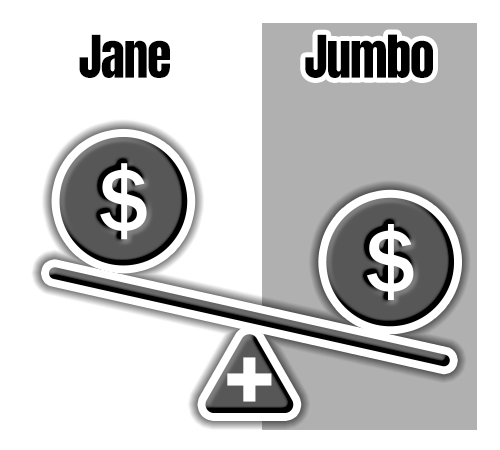
Early Calendar Year

Early Calendar Year

Early in the year, Jane hasn't reached her $1500 deductible yet, so her plan doesn't pay any of the costs, while Jane pays 100% of her medical expenses. So if some office visits cost $150, Jane pays $150 and Jumbo pays $0

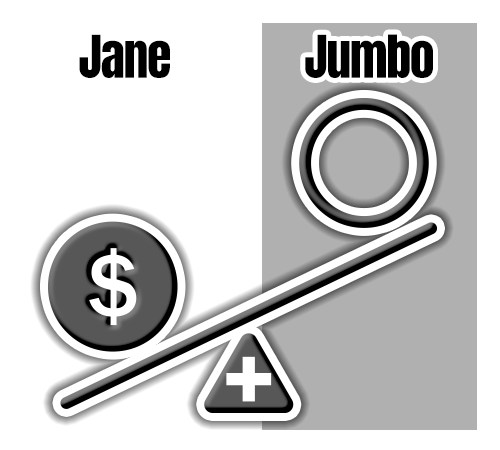
Mid Calendar Year

Mid Calendar Year

By the middle of the year, Jane reaches her $1500 deductible, so her co-insurance kicks in. After having visited the doctor several times, she has paid out of pocket the required $1500, and now Jane is responsible for 20% of her next $75 office visit. That means Jane pays $15 now, and Jumbo pays their 80% or $60.
Late Calendar Year

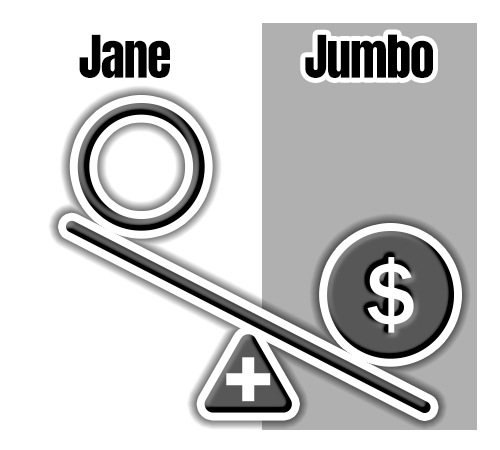
Late Calendar Year

Toward the end of the year, Jane has finally reached her $5000 out-of-pocket limit, so now Jumbo covers all expenses. So after meeting her $1500 deductible and then paying 20% of all other costs for several months, Jane has satisfied her max out-of-pocket, which means that now $225 in office visits before December 31 will be covered completely by Jumbo. Then, on January 1, everything resets back to the original unsatisfied deductible and ceiling levels.




Bottom